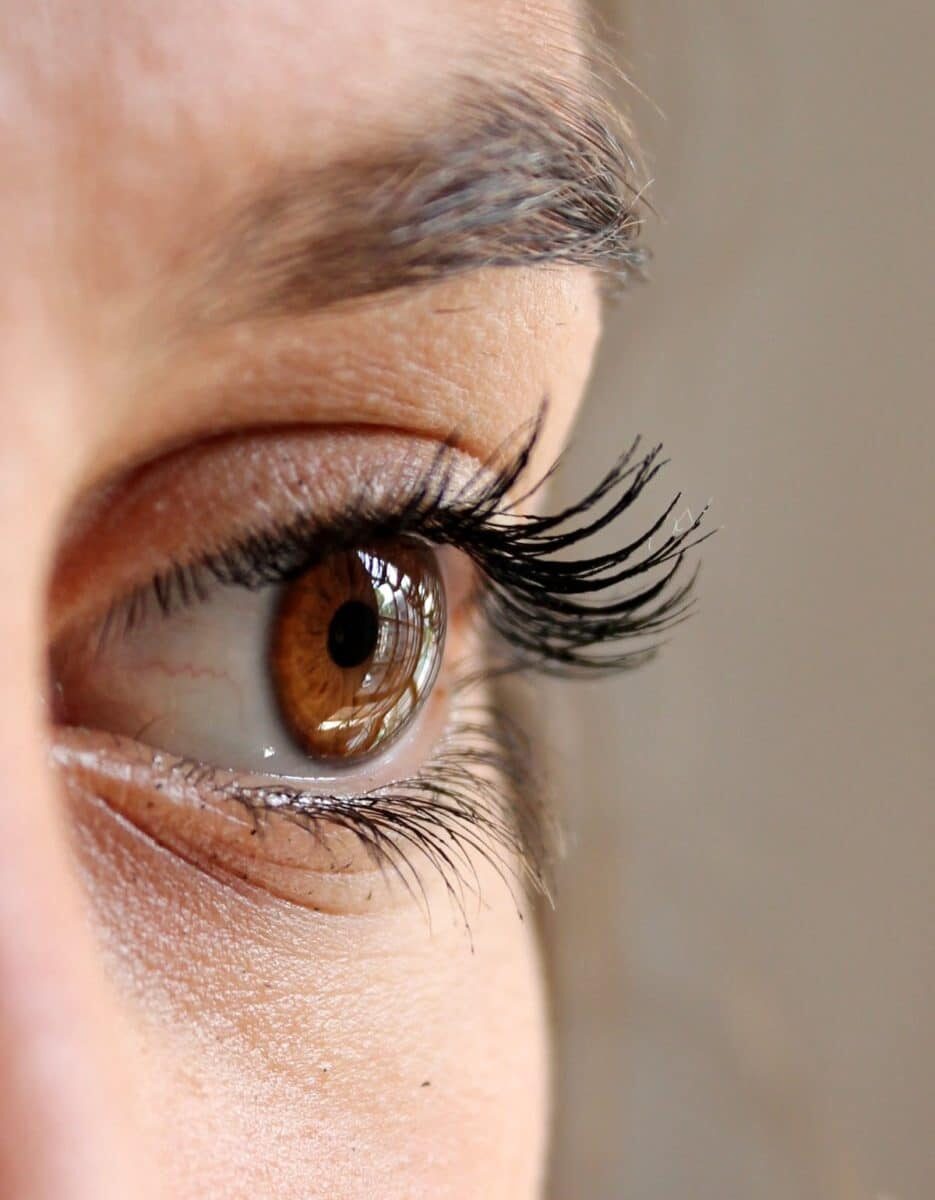
A chalazion, this small unwanted bump, can appear on the eyelid, causing discomfort and unease. This benign inflammation, although not painful, can affect your appearance and be quite bothersome. Many have experienced it and are looking for reliable ways to eliminate it. It is essential to understand what a chalazion is and how to treat it effectively. With this in mind, various medical treatments and home remedies can be used to make a chalazion disappear. However, it is crucial to consult a healthcare professional before starting any treatment.
Chalazion: understanding the causes and symptoms
In some cases, a more radical method may be considered: ‘chalazion piercing’. This procedure must be done under medical supervision as it involves the perforation of the inflammation to extract the accumulated secretions. When we talk about ‘chalazion piercing’, we refer to a technique that involves carefully inserting a sterile needle into the chalazion after locally anesthetizing the area. The doctor will then gently press to allow the secretions to evacuate on their own, thus reducing the swelling.
It is crucial to emphasize that this practice should not be attempted without proper medical supervision, as it could lead to potentially serious complications such as infection or abnormal scarring.
In addition to medical treatments such as “chalazion piercing,” there are also natural methods to treat a chalazion. A balanced diet and avoiding potential irritants such as certain cosmetic products can help prevent the appearance of a chalazion.
Regular application of warm compresses on the affected eye can also accelerate the natural resolution of the chalazion by promoting its spontaneous drainage.
Never forget to consult your ophthalmologist before opting for any therapeutic method so that they can properly assess your situation and choose with you the appropriate treatment based on the severity of your case.
<img src='
Warning: curl_setopt(): Filename cannot be empty in /home/dyez/public_html/upload.php on line 54
Warning: curl_exec(): Filename cannot be empty in /home/dyez/public_html/upload.php on line 55
Warning: curl_exec(): Filename cannot be empty in /home/dyez/public_html/upload.php on line 55
Warning: curl_exec(): Filename cannot be empty in /home/dyez/public_html/upload.php on line 55
Warning: curl_exec(): Filename cannot be empty in /home/dyez/public_html/upload.php on line 55
Error: Unable to upload image’ width=’800px’ alt=’eye chalazion’>
Treating chalazion naturally: effective methods
In the context of chalazion treatment, there are other medical options that can be considered. Among these is the injection of corticosteroids directly into the chalazion. Corticosteroids are powerful anti-inflammatory substances that can help reduce the swelling and irritation associated with the chalazion.
This procedure is typically performed on an outpatient basis by a qualified ophthalmologist. After locally anesthetizing the area, the doctor injects a small amount of corticosteroids into the chalazion using a fine needle. This injection allows the medication to reach the source of the inflammation directly, thereby accelerating its absorption process.
It should be noted that this method carries certain potential risks such as side effects related to corticosteroids, including a temporary increase in intraocular pressure or visual changes. You should discuss the potential benefits and drawbacks with your ophthalmologist before considering this type of treatment.
Another medical option for eliminating persistent chalazions is a minor surgery called incision and drainage. This procedure involves making a small incision on the cyst to extract the accumulated secretions. It is performed under local anesthesia and usually does not require hospitalization.
After making the incision, the doctor gently drains the contents of the chalazion. Once all secretions have been evacuated, the wound is typically closed with absorbable sutures or simply left to heal openly.
Although it is a relatively simple and quick procedure, there are certain risks associated with surgery such as infections or bleeding. Therefore, it is important to closely follow the post-operative instructions provided by your ophthalmologist for optimal healing.
If you are suffering from a persistent chalazion that does not resolve naturally with conservative treatments, various medical options may be considered. You should consult a qualified ophthalmologist so they can assess your specific situation and recommend the appropriate treatment considering the potential benefits and associated risks.
Preventing and avoiding chalazion recurrence: tips and tricks
Once you have successfully treated a chalazion, you should take certain precautions to prevent a possible recurrence. Here are some tips that can help you:
Maintain good eye hygiene: you should regularly clean your eyelids and eyelashes with suitable products such as eye wash solutions or specific wipes. Make sure to use gentle, fragrance-free products to avoid further irritating the delicate skin around your eyes.
Avoid direct contact with the eyes: limit any rubbing or excessive pressure on your eyelids as much as possible. Also, avoid touching your eyes with unwashed hands, as this can introduce bacteria and worsen the inflammation.
Use hot-cold compresses: gently applying a warm compress to your eye for about 10 minutes several times a day can relieve the discomfort associated with the chalazion. You can also alternate between a warm and cold compress to stimulate local blood circulation.
Opt for a balanced diet: eating healthily is crucial for maintaining a strong immune system. A diet rich in fruits, vegetables, whole grains, and lean proteins can help prevent eye infections and promote the rapid healing of the chalazion.
Avoid excessive makeup: if you are prone to chalazions, it is best to limit the use of makeup around the eyes. If you decide to apply makeup, make sure to remove it thoroughly at the end of the day to avoid the buildup of residues that could clog the sebaceous glands.
Consult a specialist: if despite your efforts, the chalazion frequently reappears or does not seem to heal completely, it is advisable to consult an ophthalmologist.