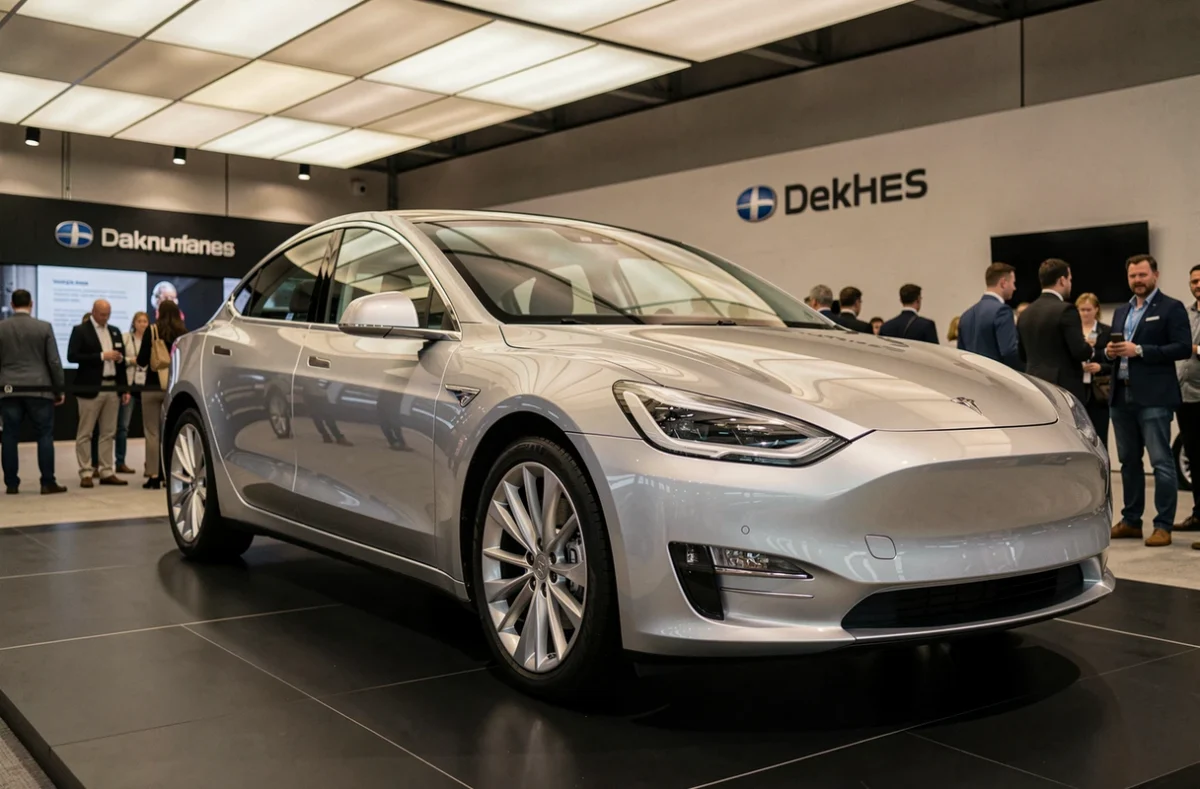
The 2026 Paris Motor Show has closed its doors, and the French automotive landscape has emerged transformed. Between a Franco-German political agreement reshaping the timeline for the energy transition, Chinese manufacturers establishing a lasting presence in Europe, and a government plan targeting professionals, the coming months promise to be pivotal for both motorists and the industrial sector.
Franco-German Agreement on CO2 Emissions: What Changes for European Manufacturers
Have you noticed that announcements about the end of combustion engines are coming in fast without always knowing what has been decided? The agreement formalized between Paris and Berlin on the sidelines of the Motor Show clarifies a major point: European CO2 standards could be relaxed. Specifically, France and Germany propose to revise the emission reduction timeline imposed on manufacturers, introducing more flexibility regarding deadlines.
The idea is to protect the European automotive industry against Chinese competition while maintaining a course towards electrification. The concept of “Made in Europe” is back at the center of discussions: the two governments want to condition certain regulatory advantages on production within European borders.
Be careful, this text does not yet have the force of law. It is a joint proposal that still needs to go through European institutions. For those who wish to explore the car category on Otopassion, keeping track of these regulatory developments helps to understand how manufacturers’ ranges will evolve in the coming years.
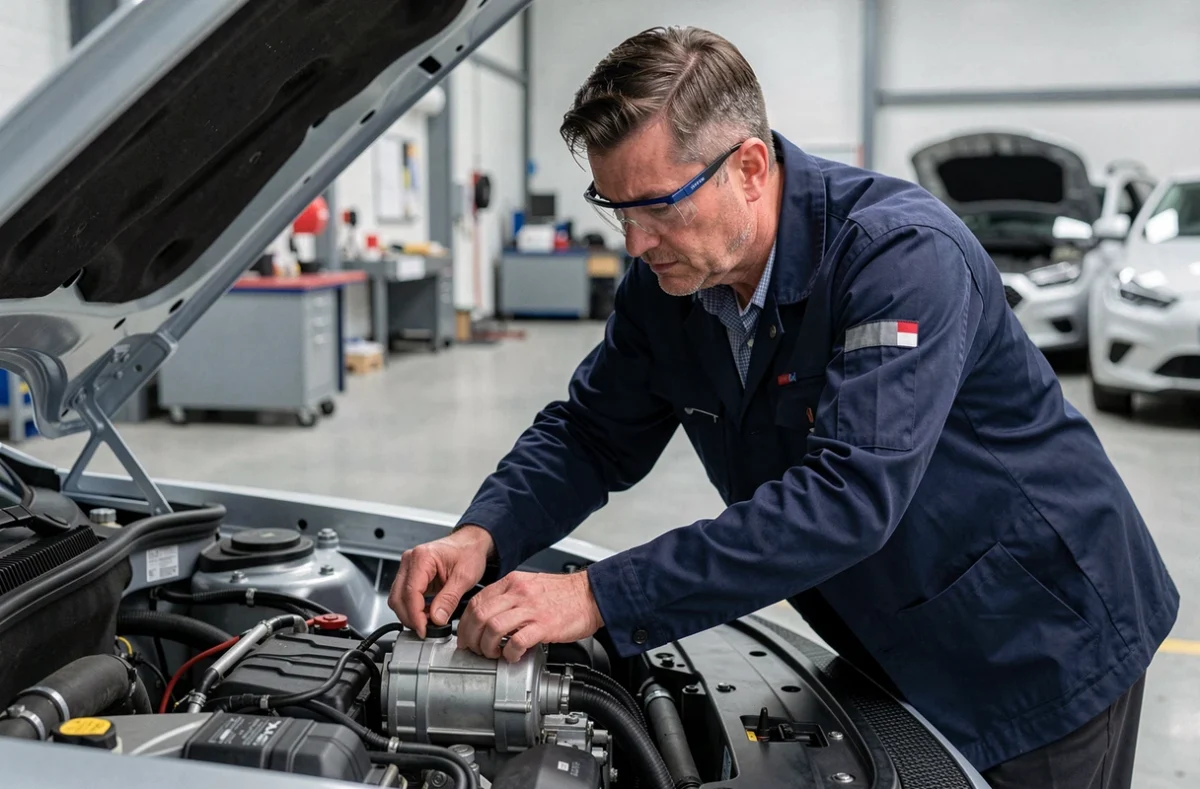
Electrification Plan 2027: Charging Stations and Utility Vehicles on the Agenda
The French government took advantage of the Motor Show to detail the second phase of its electrification plan. Two measures deserve attention.
Support for Craftsmen and Small Businesses for Electric Utility Vehicles
Until now, subsidies for purchasing electric vehicles primarily targeted individuals. The new scheme focuses on craftsmen and small businesses for the purchase or lease of light electric utility vehicles starting in 2027. A plumber or electrician who is hesitant to make the leap will thus receive additional financial support.
Transparency in Fast Charging Prices
Charging on the highway sometimes means accepting an opaque price. The plan includes concrete measures: mandatory display of the price per kWh and the power delivered at fast charging stations. Payment receipts will also need to detail the costs. Implementation is announced in phases in 2027, subject to the application texts.
These two initiatives address concrete irritants. The first removes a financial barrier for professionals. The second tackles a problem that every electric vehicle driver knows: the inability to compare prices before plugging in the cable.
Used Batteries: The Health Certificate That Will Change the Market
Buying a used electric car today is like betting on the condition of its battery. How many charge cycles has it undergone? What capacity is actually left? These questions deter many potential buyers.
A battery health certificate will be standardized as part of the European rules set for 2027. The French sector has committed to systematically providing this information to buyers. In practice, this means that a seller will need to provide a diagnosis comparable to the technical inspection for combustion engines.
Why is this a turning point? Because the battery represents the most expensive part of an electric vehicle. Without reliable data on its condition, the used electric market remains constrained. With this certificate, a buyer will be able to:
- Objectively compare two vehicles of the same model based on the residual capacity of their battery
- Negotiate the sale price based on technical grounds rather than just the vehicle’s age
- Anticipate the cost of a potential battery replacement before it becomes an unpleasant surprise
This mechanism should structure a still nascent used electric market in France.
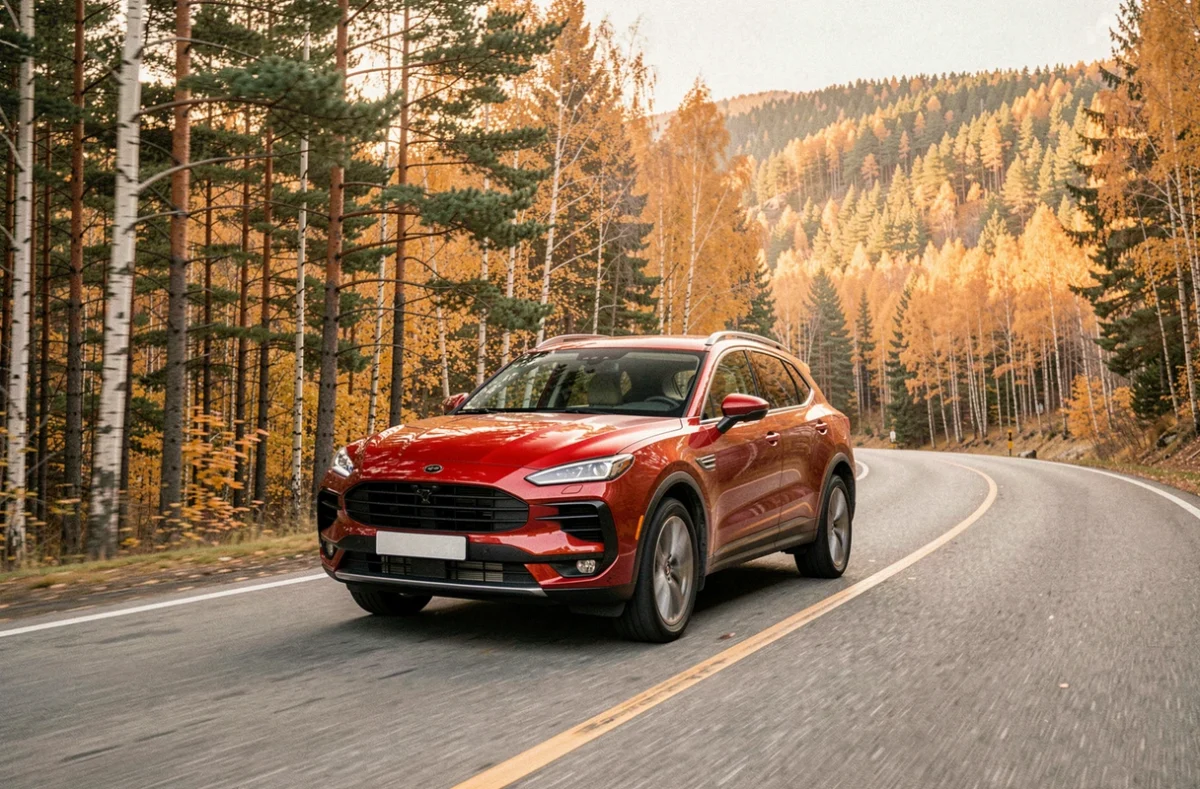
Chinese Manufacturers in Europe: Beyond Price, the Issue of the Network
MG, BYD, Xpeng, Jaecoo, Li Auto: the list of brands present at the 2026 Motor Show keeps growing with each edition. The French automotive market has never welcomed so many new brands in such a short time.
Price remains their main argument. The question now is no longer about perceived quality, but about the after-sales network.
- A vehicle sold without a dense network of authorized garages becomes a problem as soon as the first out-of-warranty breakdown occurs
- The availability of spare parts on European soil affects repair times, sometimes extending to several weeks
- The resale value directly depends on buyers’ confidence in the brand’s longevity in France
Some Chinese manufacturers are investing heavily in partnerships with existing networks. Others are betting on their own dealerships in major urban areas. The establishment of the after-sales network will determine the winners of this commercial battle, far more than the list price.
2026 Motor Show: Concept Cars That Foreshadow Future Ranges
The 2026 Motor Show confirms the fragmentation of automotive formats, far from the all-SUV dominance of previous editions.
Renault and Citroën, present in their historical segments, did not miss the opportunity to reaffirm their French roots in the face of the offensive from new entrants. The upcoming European regulatory deadline on emissions, if indeed relaxed by the Franco-German agreement, could allow these manufacturers to maintain hybrid ranges longer than expected, a point that will directly impact the prices offered to French buyers.