The adoption of generative technologies in businesses is progressing faster than the establishment of suitable regulatory frameworks. Some sectors, traditionally slow to integrate innovation, find themselves ahead in usage thanks to a wave of tools powered by artificial intelligence.
Connected objects continue to assert themselves, multiplying entry points for cyberattacks and placing the issue of digital security at the center of concerns. Augmented reality, long confined to laboratories or demonstrations, is beginning to establish itself in the practices of healthcare and industry professionals. The tech sector, driven by each announcement from the CES 2026, is shaping new standards and accelerating the transformation of entire parts of the economy.
What technological innovations will truly mark 2026?
2026 is shaping up to be a decisive turning point for high tech. Advances in artificial intelligence are taking center stage, with text and image generation models mature enough to transform processes: intelligent automation, large-scale data analysis, autonomous assistants capable of managing complex missions. Companies are adopting these solutions to streamline their organization and gain responsiveness.
Infrastructures are evolving in turn. The combination of cloud, both public and private, with locally managed edge computing allows for control over strategic data, while benefiting from unprecedented execution speed. Connected objects are invading all fields, from telemedicine to automated factories, imposing increasingly fine interoperability. New sensors promise precision and analytical finesse unimaginable just a few years ago, opening new horizons for players in the tech world.
For those who want to stay up to date, the tech section on I Announce offers active monitoring of all these innovations. It features the latest breakthroughs from industry giants like Nvidia, Microsoft, Apple, Amazon, and Samsung, analyzed and explained. Through specialized podcasts, in-depth reports, and feedback, each publication helps to understand the stakes and choices that will shape the digital landscape of the coming years.
Focus on the key trends of CES 2026 and what they reveal
The CES 2026 in Las Vegas showcased a booming industry, ready to reach new milestones. This edition was marked by the arrival of concrete products on the market and the confirmation of several major trends. Among them, the explosion of connected objects holds a prominent place. From voice-controlled homes to personalized medical devices, these tools reflect a desire to reconcile user comfort with fine management of data.
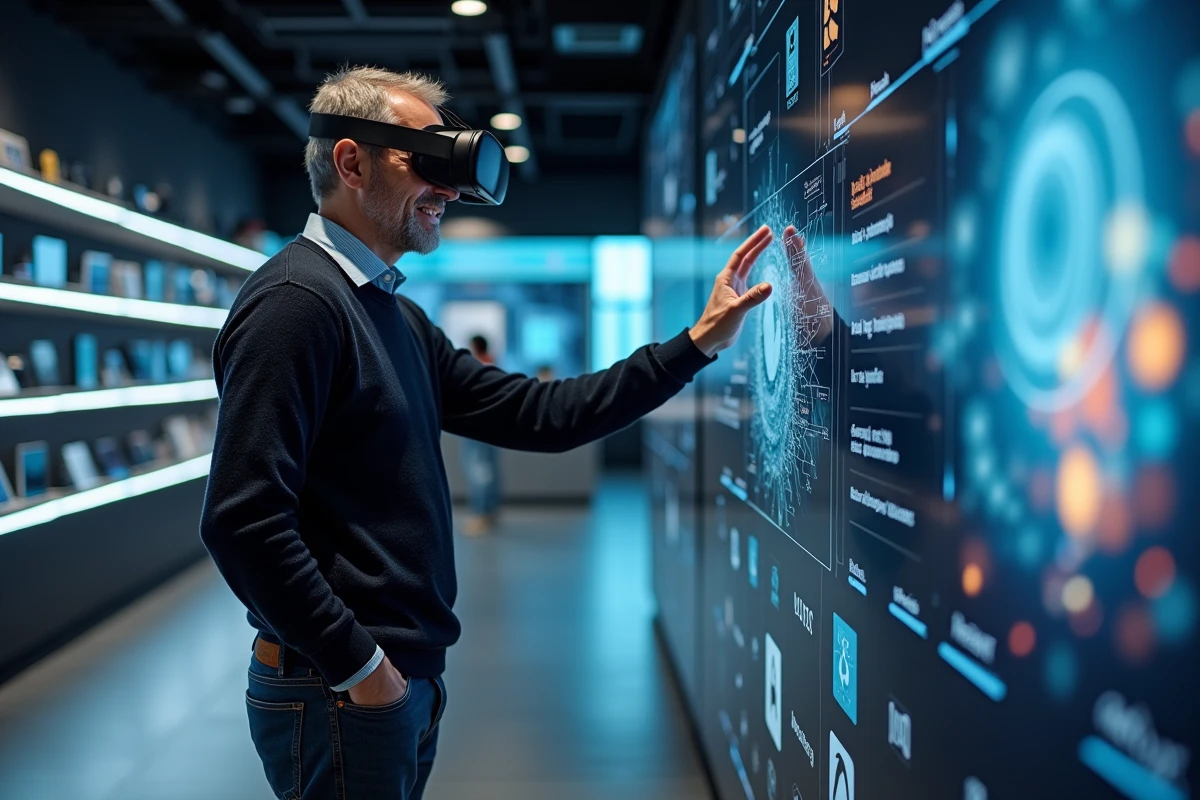
Smart glasses stand out. Ray Ban, for example, is making waves with models that have refined ergonomics and thoughtful design. Public demonstrations hint at a daily life where augmented reality will become second nature: guided navigation in the city, instant translation during conversations, quick access to information in the blink of an eye.
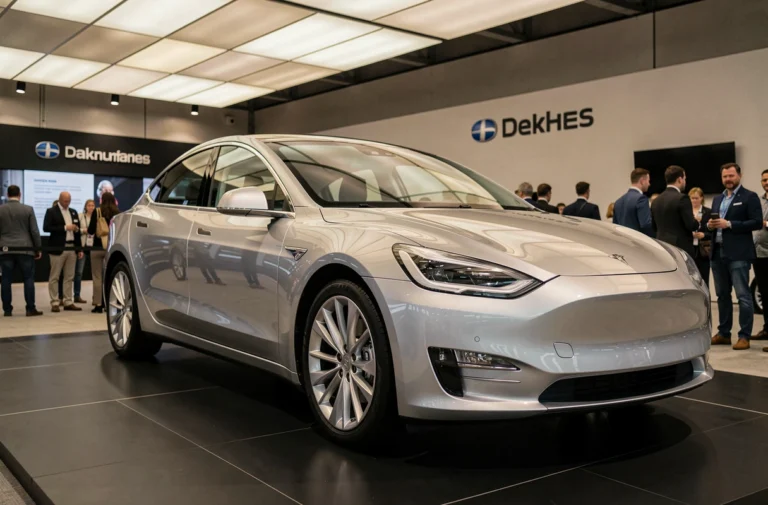
On the electric vehicle front, advancements are multiplying: sophisticated onboard systems, unprecedented connected features, all contributing to reinventing mobility. French companies, well represented at the show, are showing that they intend to play a role in the clean and smart mobility of tomorrow.
But the CES 2026 is not just about the race for performance. There has also been much discussion about digital sovereignty, respect for privacy, and the creative strength of France. Companies are competing with innovative solutions to win iconic awards and take advantage of the audience provided by the French Days and other major events of the year. For those who want to follow these developments without missing anything, the news published in the tech section on I Announce provides a clear overview of the trends and strategies that are emerging.
From concrete uses to new challenges: how these advancements are transforming our daily lives
In the wake of the latest technological trends, the tech section on I Announce dissects the emergence of artificial intelligence and connected objects in our routines. The promises of the digital twin are becoming clearer: health, industry, urban planning, each sector is adopting these tools to optimize, predict, and support. AI, now an essential player, is shaping usage, from automated medical diagnosis to fine management of energy flows.
The cloud is establishing itself as an invisible foundation, ensuring the flow of data and digital sovereignty. The emergence of edge computing is reshuffling the cards: local processing, reduced latency, enhanced security. Companies are adjusting their strategies, aware that instant access to mass analysis transforms decision-making.
Here are some concrete examples of what these developments now enable:
- Optimization of supply chains through AI
- Intelligent building management thanks to sensors and connected networks
- Advanced modeling with digital twins
The technological race is intensifying, driven by investments of several billion dollars and a heated international rivalry. The voices of figures like Sam Altman, Elon Musk, or Mark Zuckerberg resonate even in the tech section, where debates on regulation, sovereignty, and ethical usage are taking on new urgency. The advancements, relayed through publications, reflect a collective challenge: to navigate the power of digital technology without losing control over our choices.