
The vehicle technical inspection in France is undergoing an accelerated digital transformation phase that has been ongoing for several years. Centers affiliated with networks like Sécuritest must deal with increased regulatory requirements, pressure on profitability, and customer expectations that are shifting towards fully online services. In this context, professional portals reserved for affiliates are no longer just simple login interfaces: they are becoming operational management tools on which the economic viability of the center depends.
Regulatory traceability and data control: what the affiliate portal must now manage

The Sécuritest affiliate space centralizes scheduling, appointments, and documentation. The main challenge, related to recent regulatory developments, focuses on the precise management of control data and traceability.
Technical inspection centers are required to ensure the integrity and preservation of data related to each inspection. The affiliate portal becomes the technical link that ensures this compliance on a daily basis. It is not just about archiving reports, but about structuring data flows to meet the traceability requirements imposed by current regulations.
For a center manager, real-time regulatory tracking means that every inspection report, every re-inspection, and every alert related to a vehicle must be recorded in a coherent system. When the affiliate space on securitest.org integrates these traceability functions, it meets an obligation, not a convenience.
Occupancy rates and commercial management of Sécuritest centers
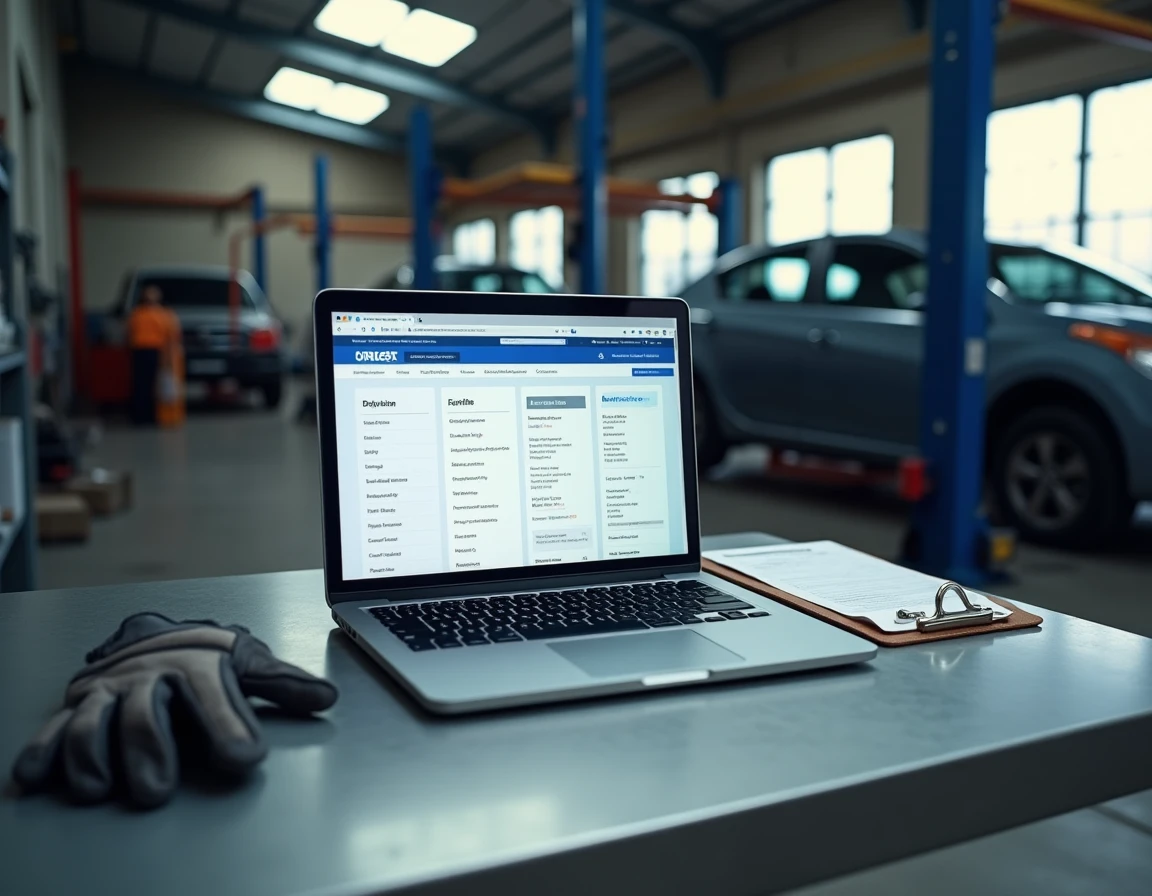
The digitization of the customer journey has profoundly changed the way technical inspection centers fill their slots. Online appointment booking, automated reminders, and dematerialized confirmation management have become the norm since the health crisis. SGS, the group operating the Sécuritest network, has presented this digitization as a priority modernization axis.
For an affiliated center, the online space is therefore not a gadget. It is the main lever for managing occupancy rates. An empty slot represents a direct loss: the inspector is present, the equipment is functioning, and fixed costs continue. Reducing the “no-show” rate (clients who do not show up) involves automatic follow-up mechanisms that the affiliate portal is supposed to orchestrate.
The available data does not allow for precise quantification of the impact of these tools on the revenue of a typical center. However, the economic logic is clear: every occupancy point gained directly improves the margin, in a sector where prices are relatively regulated and differentiation comes from the volume processed.
What the portal allows to track in terms of commercial performance
- The occupancy rate of slots by day, week, or month, with identification of recurring low periods
- The ratio between appointments made online and appointments honored, to measure no-shows and adjust reminders
- Productivity indicators per inspector, which allow for workload distribution and identification of bottlenecks
This management aspect is little detailed in existing content, which focuses on functional description without addressing the strategic use of this data.
Continuity between the public site and the affiliate portal: an underestimated issue
One rarely discussed aspect concerns the articulation between the securitest.fr site visible to motorists and the space reserved for professionals. The two do not operate in silos. When a client books an appointment on the public site, this information directly feeds into the center’s schedule via the affiliate portal.
This digital continuity between the customer journey and internal management transforms the affiliate space into a front-office as well as a back-office tool. The manager who does not regularly check their dashboard risks missing confirmed appointments, specific requests, or last-minute changes.
The trend is towards even deeper integration. Field feedback suggests that the most successful centers are those that use the portal not just as a simple calendar, but as a fully-fledged customer relationship tool, capable of tracking a vehicle’s history, sending reminders for inspection deadlines, and retaining local clientele.
Current limitations and open questions for Sécuritest affiliates
Despite the announced features, several questions remain unresolved for network professionals.
- Interoperability with accounting and management software used by independent centers is not always smooth, leading to double entries
- Dependence on the network for data access raises the question of portability: does an affiliate who leaves the network retain their inspection history in an exploitable format?
- Regulatory updates integrated into the portal are not always synchronized with actual application deadlines, which can create a gap between what the platform displays and what the administration requires
Field feedback varies on the responsiveness of technical support. Some affiliates describe effective assistance, while others point out response times that complicate daily management, especially during software updates or access issues.
The Sécuritest affiliate portal reflects a fundamental trend in the technical inspection sector: digitization is no longer optional; it conditions regulatory compliance and profitability. For center managers, mastering this tool determines their ability to absorb the increasing constraints of the profession without sacrificing their margin. The pace of regulatory updates remains the main challenge: portals will need to adapt at least as quickly as obligations evolve.