Which home trends truly deserve attention this year, and which are just fleeting visual noise? Between the color palettes announced by trade shows, the materials gaining ground in renovations, and the equipment that changes how we experience an interior, the directions taken in 2026 are distinguished by a common thread: the sustainability of choices takes precedence over novelty.
Patinable materials versus smooth finishes: what’s changing in new homes
The most significant break from previous years concerns the relationship with surfaces. Where the trend was towards smooth, glossy, and trace-free finishes, the interior decoration of 2026 embraces materials that visibly age.
| Classic finish (pre-2025) | Patinable finish (2026 trend) | Concerned areas |
|---|---|---|
| Glossy varnished brass | Unvarnished brass, natural patina | Kitchen, bathroom |
| Varnished wood | Oiled wood, matte finish | Floors, furniture |
| Polished stone | Untreated, textured stone | Countertops, showers |
| Brushed stainless steel | Burnished steel, controlled oxidation | Handles, light fixtures |
| Acrylic shower tray | Mineral resin or flush tiled shower tray | Bathroom |
This table summarizes a shift noted by several design offices: “living” materials are replacing inert surfaces. Unvarnished brass, for example, develops a patina within months of use, which was once seen as a flaw.
Acrylic shower trays are explicitly considered outdated by interior design professionals. The visual continuity offered by a flush-mounted shower tray, whether in mineral resin or tiled, also enhances accessibility, a criterion increasingly present in renovation projects.
To keep track of these developments over the months, home news on Oh Brico allows for comparing product innovations as they arrive on the French market.
Indirect lighting in 2026: from decor to comfort standard
Indirect lighting is not new. What changes is its status. Until recently, hidden LED coves or illuminated baseboards were considered high-end projects. In 2026, indirect lighting becomes a comfort requirement comparable to the choice of materials.
Several trends converge in this direction:
- Backlighting of mirrors and niches in bathrooms is gradually replacing recessed ceiling spots, deemed too direct and unflattering.
- LED coves integrated into kitchen furniture serve both as night markers and ambiance, eliminating the need for a central ceiling light.
- “Sculptural” light fixtures, halfway between decorative objects and light sources, are gaining popularity in living rooms and entries, replacing standardized pendants.
The fundamental change is due to the democratization of quality LED strips and discreet aluminum profiles. Installation no longer necessarily requires an electrician for non-humid areas, making these solutions accessible within modest renovation budgets.
Trending home colors 2026: the return of brown and ochre
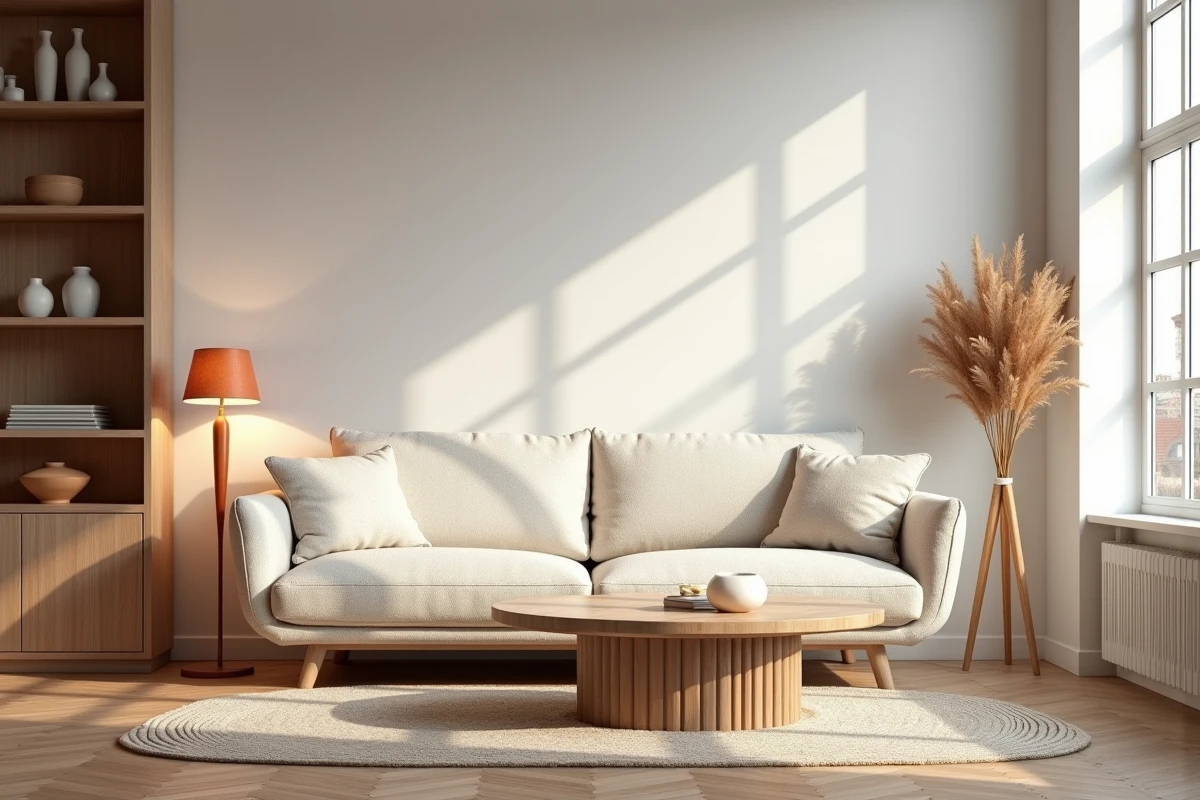
The dominant palette this year extends a shift that began in 2025. Warm, earthy colors lead the season: terracotta, deep brown, golden ochre. These shades are most often set against a base of neutral tones (off-white, greige, warm beige) that serve as their backdrop.
What distinguishes 2026 from previous seasons is the application technique. “Color drenching,” which involves applying the same color from floor to ceiling, including on woodwork and doors, is gaining traction in French interiors after being widely adopted in the United States.
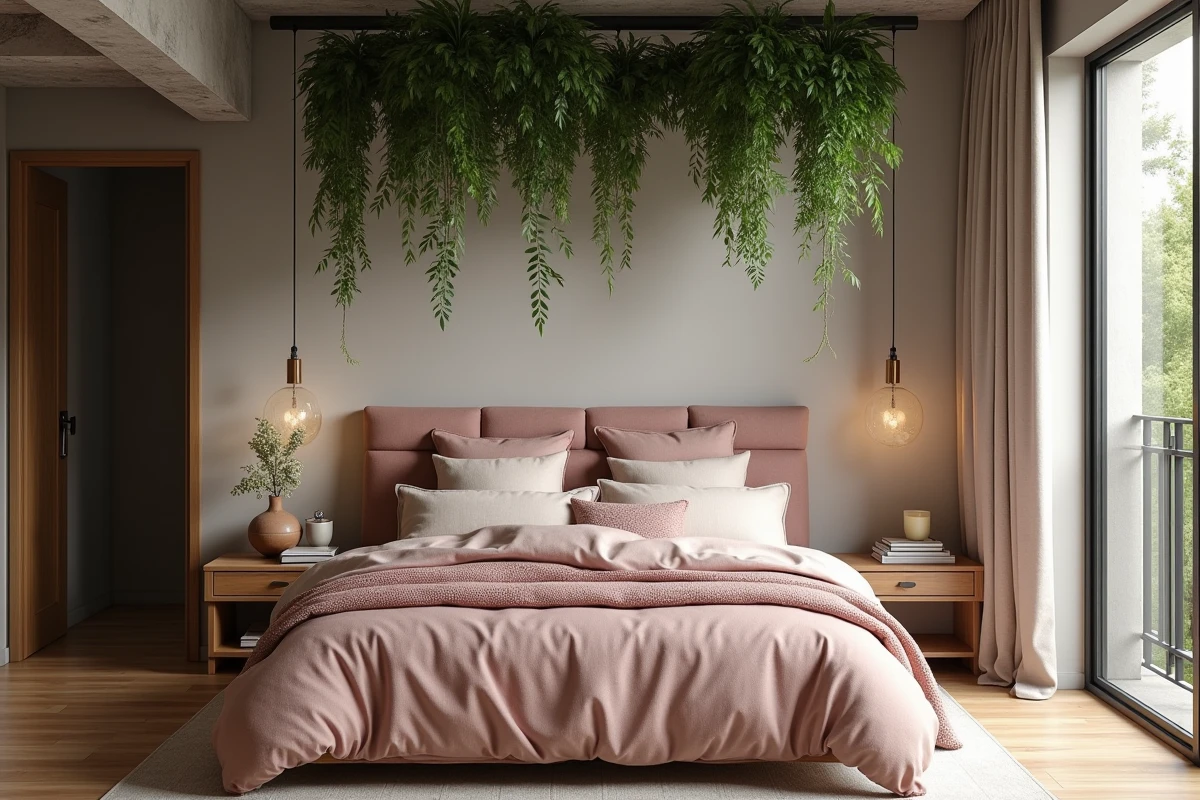
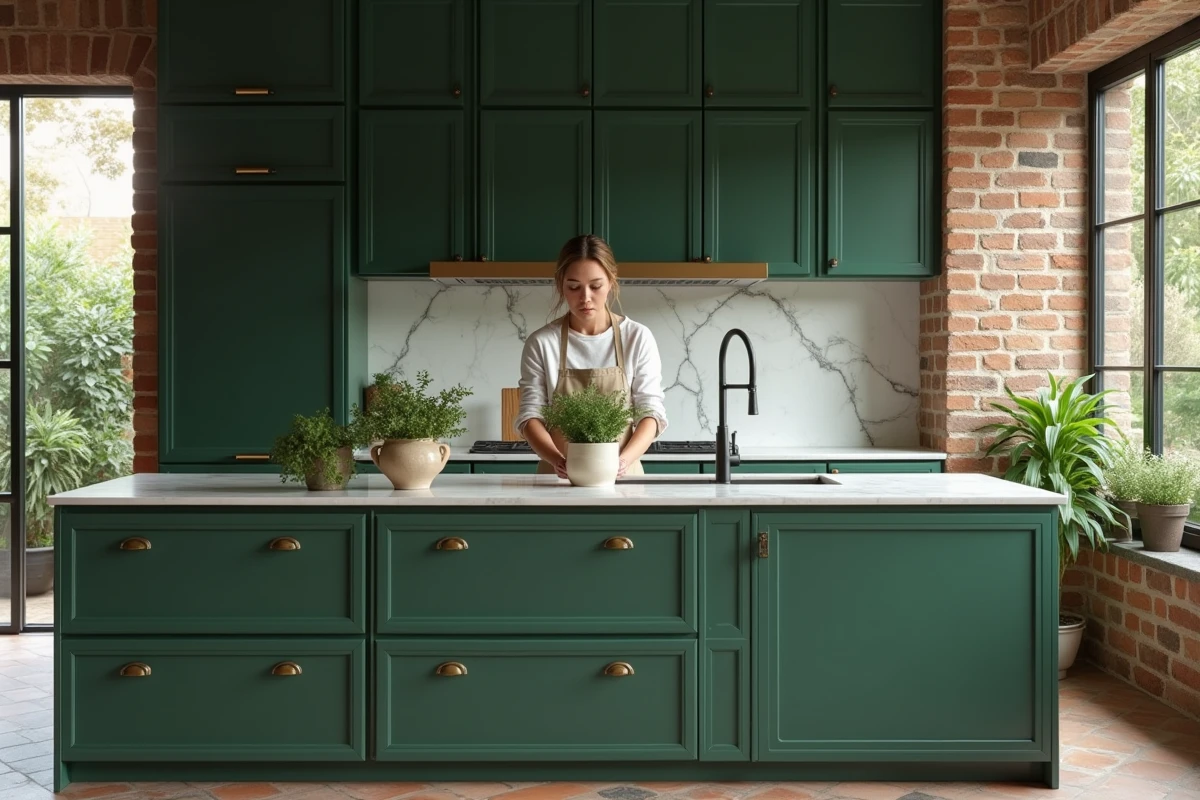
In contrast, the combinations of cool, saturated colors (Klein blue, intense emerald green) that dominated some shows in 2024 are losing visibility in residential projects. The 2026 decoration trend favors warmth over saturation.
Where to apply these colors without getting tired
The risk of color drenching is fatigue. A few useful guidelines: this technique works better in passage areas (entry, hallway, restroom) than in main living spaces. In a living room or bedroom, an accent wall in brown or terracotta paired with oiled wood furniture creates a comparable effect without overwhelming the space.
Resilient homes and energy autonomy: the underlying trend
Beyond decoration, the most structural novelty in homes for 2026 concerns the resilience of the building. Recent climatic episodes are pushing homeowners to integrate equipment that goes beyond traditional thermal insulation.
Partial energy autonomy is becoming a real estate value-adding argument. Solar panels coupled with home batteries, rainwater harvesting for irrigation and sanitation, assisted natural ventilation: these systems are moving out of the niche market.
This movement aligns with the trend of sustainable materials. An interior designed with oiled wood, patinable finishes, and low-energy lighting fits into a coherent logic where each design choice also serves a sustainability function.
Spaces for disconnection and home sports
Spaces dedicated to reading, relaxation, or home sports continue to develop. The difference from previous years is that these spaces are no longer confined to the garage or basement. They are integrated into living areas as designed corners, with modular furniture that allows switching from one function to another.
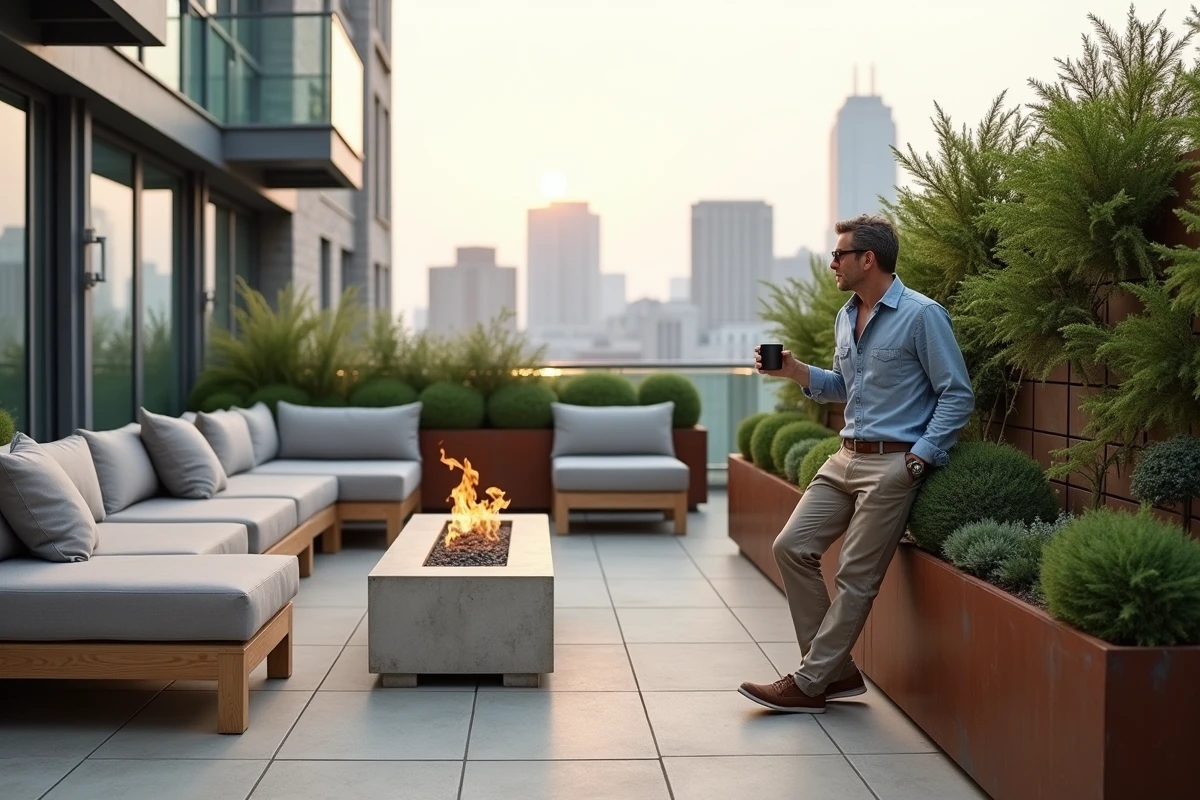
The home trends of 2026 share a common trait: they value what lasts over what impresses. A brass that patinas, lighting that adapts to the time of day, a color that works throughout a room without tiring, equipment that reduces energy dependence. The most promising choices this year are those that will gain relevance over time, not those that need to be replaced next season.